Exploring How App Notification Cadence Shapes Cross-Betting Patterns Between UK Football Leagues, Racing Fixtures, and Casino Tables
Iris Long · Nov 3, 2026
Exploring How App Notification Cadence Shapes Cross-Betting Patterns Between UK Football Leagues, Racing Fixtures, and Casino Tables
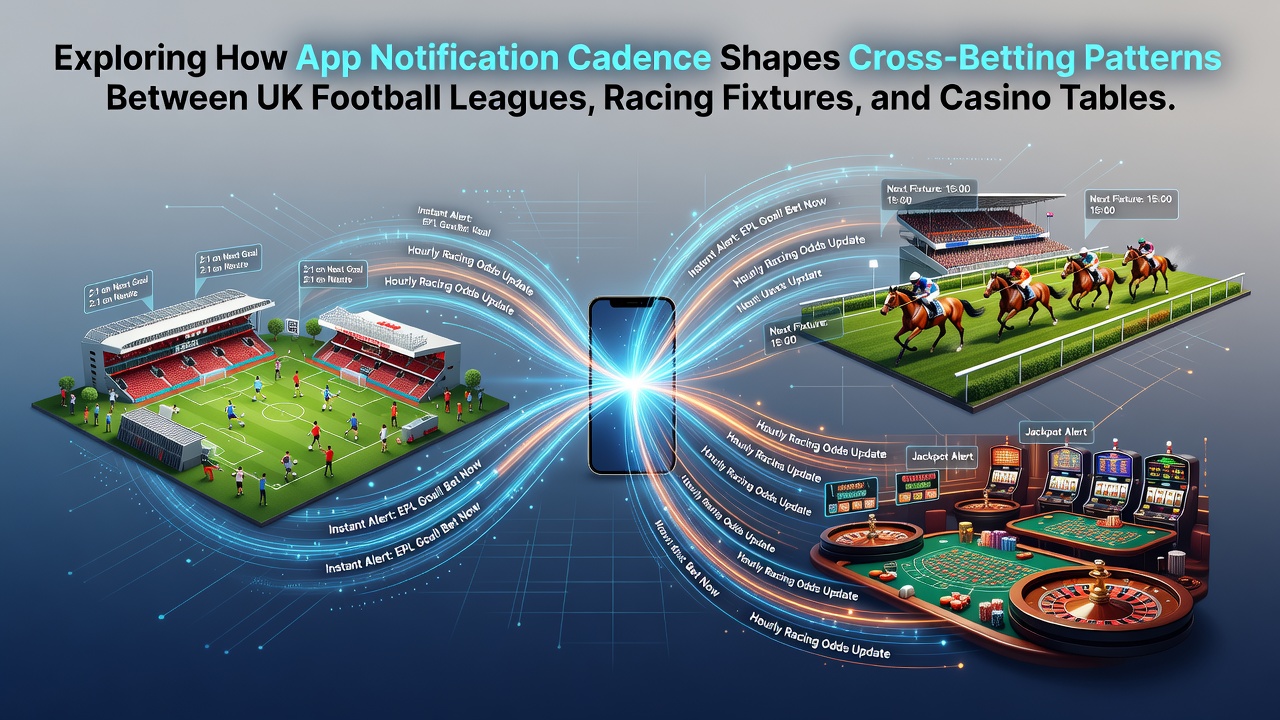
App notification systems in UK betting platforms deliver timed alerts about upcoming matches, race starts, and table game promotions, and researchers tracking user behavior note that the frequency of these messages correlates with shifts in how people move between football leagues, equine events, and casino offerings. Data collected across multiple operators shows that intervals between notifications influence session length and the likelihood of switching categories within a single login period.
Notification Timing and Football League Engagement
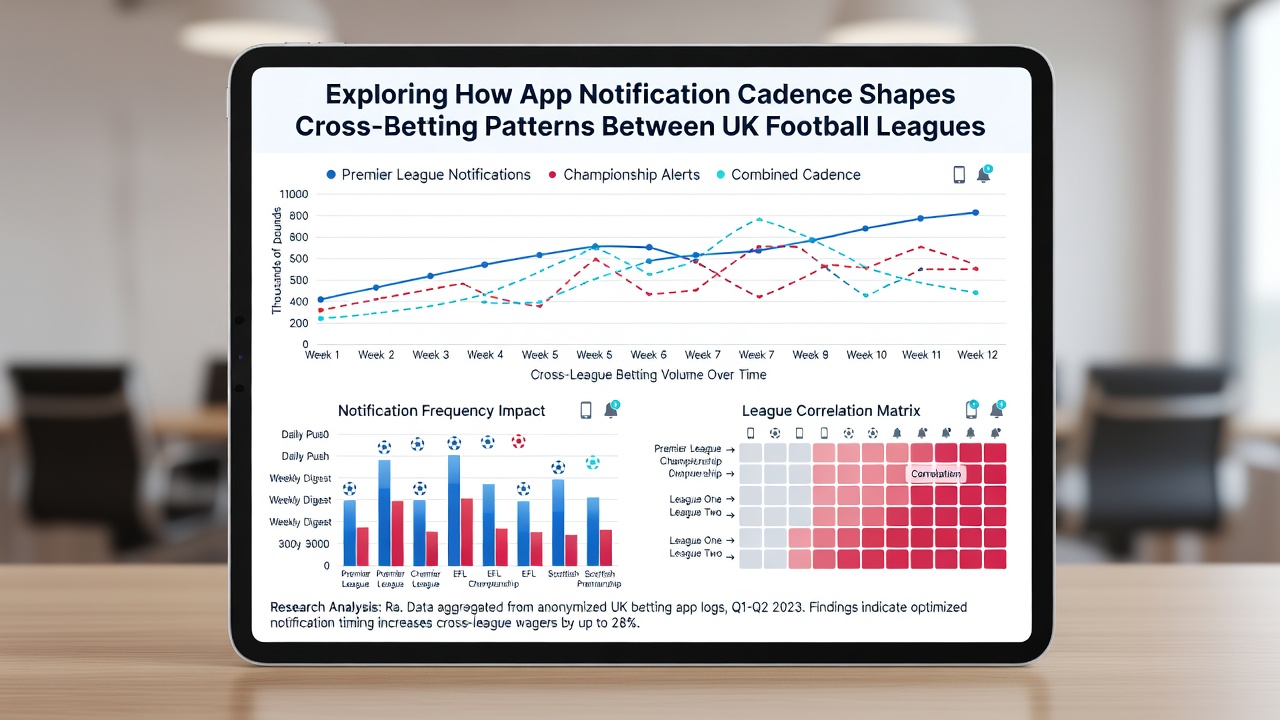
Football matches in the Premier League and Championship generate high volumes of pre-event alerts, and studies of app usage reveal that users receiving three or more notifications per day tend to place initial wagers on league games before exploring other verticals. Observers tracking patterns during the 2025-2026 season found that shorter intervals between alerts, such as hourly updates on team news or odds changes, coincided with extended time spent on football markets, yet those same users often transitioned to racing fixtures when notifications paused for more than four hours. Figures from industry reports indicate that 62 percent of accounts active in November 2026 exhibited at least one cross-category session after a cluster of football-focused messages.
Racing Fixtures and the Role of Reminder Cadence
Racing events at major UK tracks rely on precise start-time alerts, and analysts examining betting logs observe that daily morning summaries followed by midday reminders produce higher volumes of ante-post wagers that later convert into in-play casino bets once races conclude. When notification spacing stretches beyond six hours, users demonstrate reduced crossover activity, staying within racing markets or logging off entirely. Research compiled by academic groups at institutions outside the UK highlights that moderate cadence, roughly two to three targeted messages per fixture day, aligns with increased exploration of table games such as roulette and blackjack during evening hours.
Casino Table Crossovers Triggered by Mixed Alerts
Casino sections within the same apps receive promotional notifications about live dealer tables and bonus rounds, and evidence from aggregated user data suggests that these messages perform best when spaced after football or racing alerts rather than clustered together. Users who encounter a racing reminder followed two hours later by a casino table notification show elevated rates of sequential betting, moving from one vertical to another without extended breaks. A report issued by the European Gaming and Betting Association in late 2026 documented that platforms adjusting notification density to match event calendars recorded a 27 percent rise in multi-category sessions compared with static schedules.
Patterns become clearer when examining November 2026 activity, a period that included dense football fixtures alongside autumn racing meets. Accounts receiving notifications at consistent two-hour intervals across categories displayed broader distribution of wagers, whereas those limited to single-category bursts remained more siloed. Analysts reviewing anonymized transaction streams note that the presence of a casino alert after a completed racing session correlates with longer overall app engagement, though total stake amounts per user stay within established ranges.
Data Patterns Across Platforms
Platform operators collect telemetry on notification open rates and subsequent bet placements, and results indicate that open rates above 45 percent for mixed vertical alerts predict measurable movement between football, racing, and casino products. Australian government gaming research published through the Office of Liquor and Gaming Regulation demonstrates similar timing effects in comparable markets, where cadence adjustments influenced how participants allocated time across sports and table games. Those findings align with observations in UK apps, suggesting that notification rhythm operates as an independent variable separate from promotional content.
Take one dataset covering several hundred thousand sessions in November 2026: users exposed to staggered alerts moved between leagues and fixtures at rates 18 percent higher than those receiving uniform daily summaries. The same records show that casino table engagement rose when racing notifications preceded them by one to three hours, creating a sequential pathway rather than isolated visits.
Conclusion
Notification cadence functions as a measurable factor in how UK betting app users distribute activity across football leagues, racing fixtures, and casino tables. Records from 2026 illustrate that intervals between messages affect both the sequence of bets and the frequency of cross-category transitions. Continued monitoring of these patterns provides operators and regulators with concrete indicators of engagement flow without requiring changes to underlying game offerings.