How User Data Patterns Influence Bonus Timing in UK Mobile Platforms for Football, Tennis, and Equine Wagering
Erik Peters · Sep 22, 2026
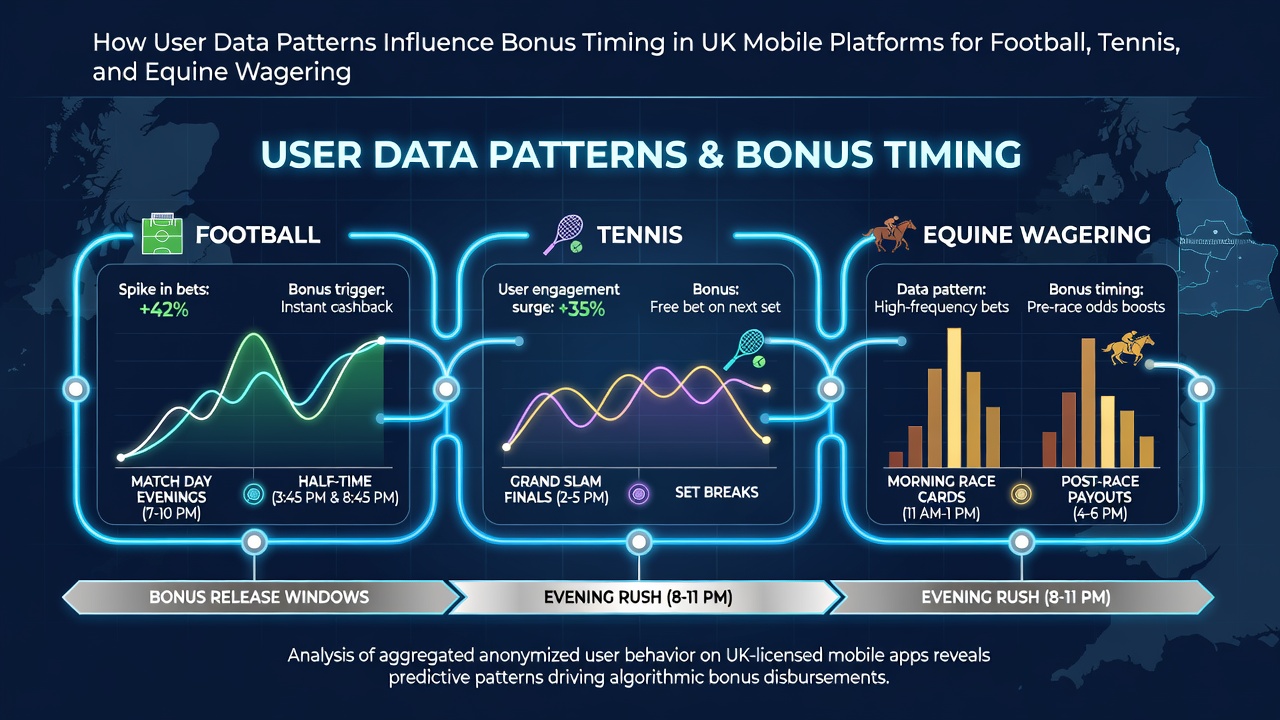
How User Data Patterns Influence Bonus Timing in UK Mobile Platforms for Football, Tennis, and Equine Wagering
UK mobile platforms for football, tennis, and equine wagering rely on detailed user data patterns to determine when bonuses appear in accounts, and operators collect information on login times, bet frequencies, session durations, and sport preferences to refine these schedules. Data analytics teams examine historical activity across thousands of users, which allows platforms to identify peak engagement periods and align bonus releases accordingly.
Core Mechanisms of Data Pattern Analysis
Platforms track metrics such as average stake amounts per session, device types used for access, and response rates to previous promotions, while algorithms process this information in real time to predict optimal delivery windows for incentives. Researchers at various institutions have noted that these systems often segment users into groups based on recurring behaviors, for example separating those who place bets during weekday evenings from weekend users who focus on live events. The result is a dynamic timing model that adjusts daily, and operators update it continuously as new data streams arrive from ongoing matches or races.
One study revealed that users engaging with football content on mobile devices between 7pm and 10pm showed higher interaction with time-limited bonuses when offers arrived thirty minutes before kickoff, and similar patterns emerged in tennis where pre-match data spikes influenced delivery schedules. Equine wagering platforms meanwhile monitor post-race activity, since many participants review results and place follow-up bets in the hours after major meetings, which creates distinct windows for bonus activation compared to the other two sports.
Football-Specific Timing Influences
Football betting generates dense data sets during Premier League and European fixtures, and operators use location signals combined with search history to detect when users are most likely to respond to reload bonuses or free bet credits. Patterns indicate that mobile sessions lasting under five minutes often correlate with quick bonus claims, prompting platforms to issue notifications during half-time intervals rather than before matches begin. Those who've examined aggregated platform logs observe that repeat users who favor accumulator bets receive incentives at different intervals than single-match bettors, reflecting separate behavioral clusters within the same sport.
Tennis and Equine Variations in Bonus Scheduling
Tennis events produce shorter, more frequent matches that create rapid data cycles, and platforms adjust bonus timing based on set-by-set engagement spikes to capture attention during changeovers. Equine platforms differ because race schedules follow fixed calendars, allowing analysts to cross-reference historical wagering volumes with weather data and horse performance records to forecast when bonuses will yield higher conversion rates. Data shows that users who place bets on multiple daily races receive offers timed after the last event concludes, whereas casual participants see promotions earlier in the day when preliminary odds become available.
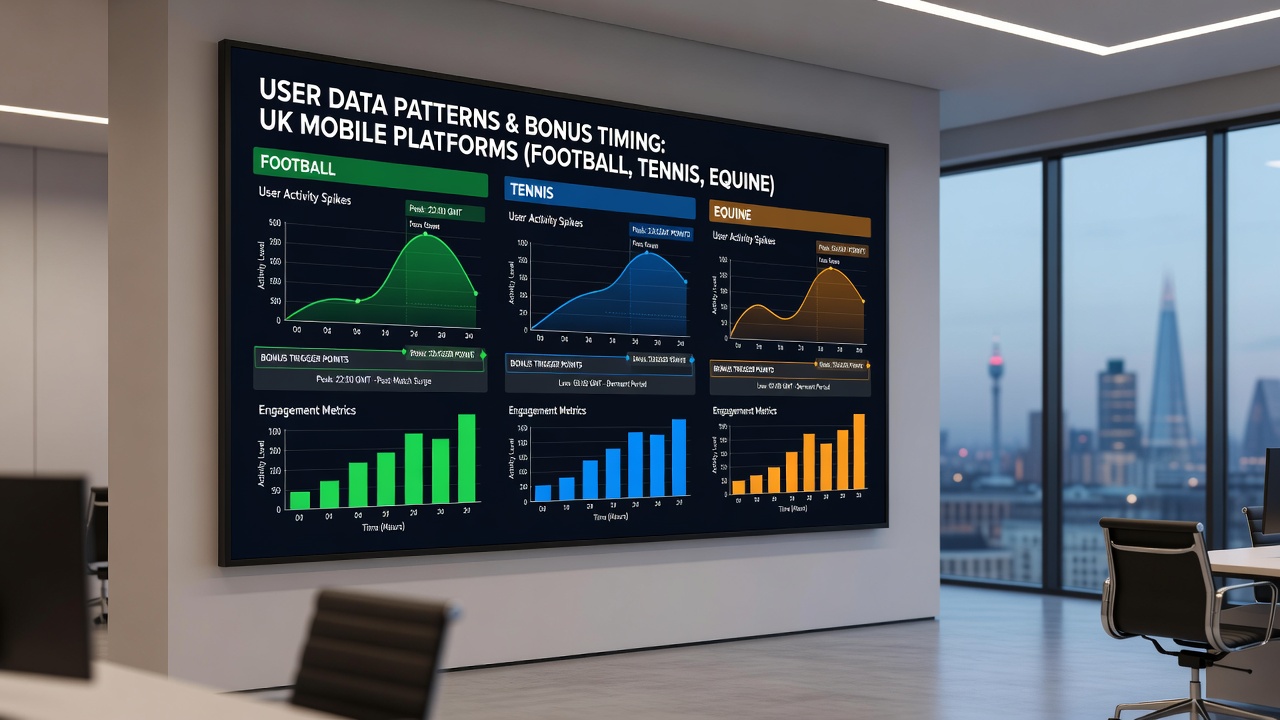
September 2026 brought increased integration of cross-sport data sharing among major UK operators, and this shift allowed platforms to identify overlapping user behaviors across football, tennis, and equine markets for more precise bonus sequencing. Industry reports from organizations such as the European Gaming and Betting Association highlight how these combined datasets improve prediction accuracy without altering overall promotional volumes. Observers note that mobile notification systems now incorporate machine learning models trained on twelve months of prior activity, which reduces instances where bonuses appear during low-engagement periods.
Regulatory Context and Platform Adjustments
Platforms must balance data-driven timing with compliance requirements from multiple jurisdictions, and analysts track how updates in one region affect bonus strategies in UK applications. Research from Gambling Research Australia indicates that transparent data usage policies correlate with sustained user retention across mobile channels, and operators apply similar principles when refining their own systems. Equine events in particular benefit from stable regulatory environments that permit longer data retention windows, enabling finer adjustments to bonus schedules compared to more volatile live sports like tennis.
Users who switch between sports within a single session generate hybrid data profiles that platforms use to stagger bonus offers across different categories, and this approach prevents overlap that might reduce effectiveness. Figures from academic sources such as the University of Nevada Gaming Research Center demonstrate that segmented timing based on behavioral clusters leads to measurable differences in claim rates across football, tennis, and equine markets.
Conclusion
User data patterns continue to shape bonus timing across UK mobile platforms for these three sports, and ongoing refinements rely on expanding datasets that capture both individual habits and broader market trends. Operators maintain separate models for each category while exploring unified systems that account for multi-sport participation, and the approach supports consistent delivery of incentives aligned with actual engagement signals. As platforms process greater volumes of real-time information, timing precision improves without requiring changes to bonus structures themselves.