The Influence of Mobile Interface Layouts on Strategy Selection in Live Football Betting Among UK Users
Erik Peters · Oct 6, 2026
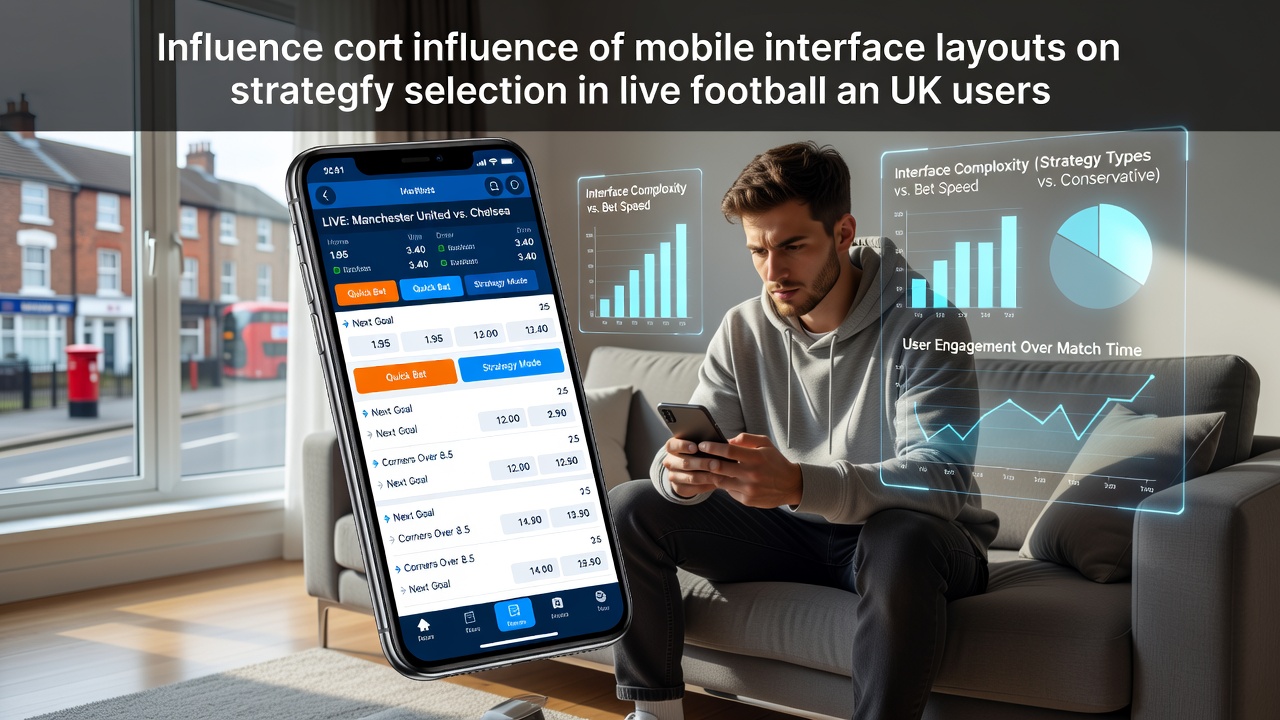
The Influence of Mobile Interface Layouts on Strategy Selection in Live Football Betting Among UK Users
UK users have increasingly turned to mobile platforms for live football betting in recent years, and interface layouts play a direct role in how bettors select their strategies during matches. Research from academic institutions shows that button placement, color contrasts, and scrolling patterns shape decisions about in-play wagers, such as choosing quick accumulator bets versus detailed pre-match analysis. Data collected across multiple operators indicates that streamlined layouts with prominent live odds reduce the time users spend evaluating options, which leads to higher volumes of impulse selections during high-stakes moments like penalty shootouts or injury time.
Layout Elements and User Navigation Patterns
Design features such as fixed navigation bars at the bottom of screens and swipeable match tabs guide users toward specific betting markets, according to findings from the Australian Gambling Research Centre. Those who studied app usage logs discovered that users encountering vertically stacked bet slips often favor multi-leg strategies, while horizontal layouts encourage single-bet approaches focused on immediate outcomes. In October 2026, platform analytics revealed that UK sessions lasting under five minutes correlated strongly with interfaces that auto-expand popular live markets, prompting selections like next-goal scorers rather than longer-term results.
Observers note that touch targets sized above 48 pixels minimize accidental taps yet still accelerate strategy shifts when odds update rapidly. Researchers at the University of Sydney examined eye-tracking data and found that central screen placement of cash-out functions steers users toward risk-management tactics mid-match, whereas peripheral icons for same-game multis push exploratory betting styles. These patterns hold across devices because developers prioritize thumb-reach zones on both iOS and Android systems.
Data on Strategy Shifts During Live Events
Figures from industry reports demonstrate that interface density affects the ratio of pre-match to in-play bets, with denser grids leading to more frequent strategy adjustments as matches progress. One study revealed that users on apps with collapsible sections for statistics tended to integrate data reviews into their selections, resulting in measured approaches like hedging live positions. Conversely, minimalist designs without embedded stats correlated with higher rates of straight win bets placed in the final 15 minutes of games.
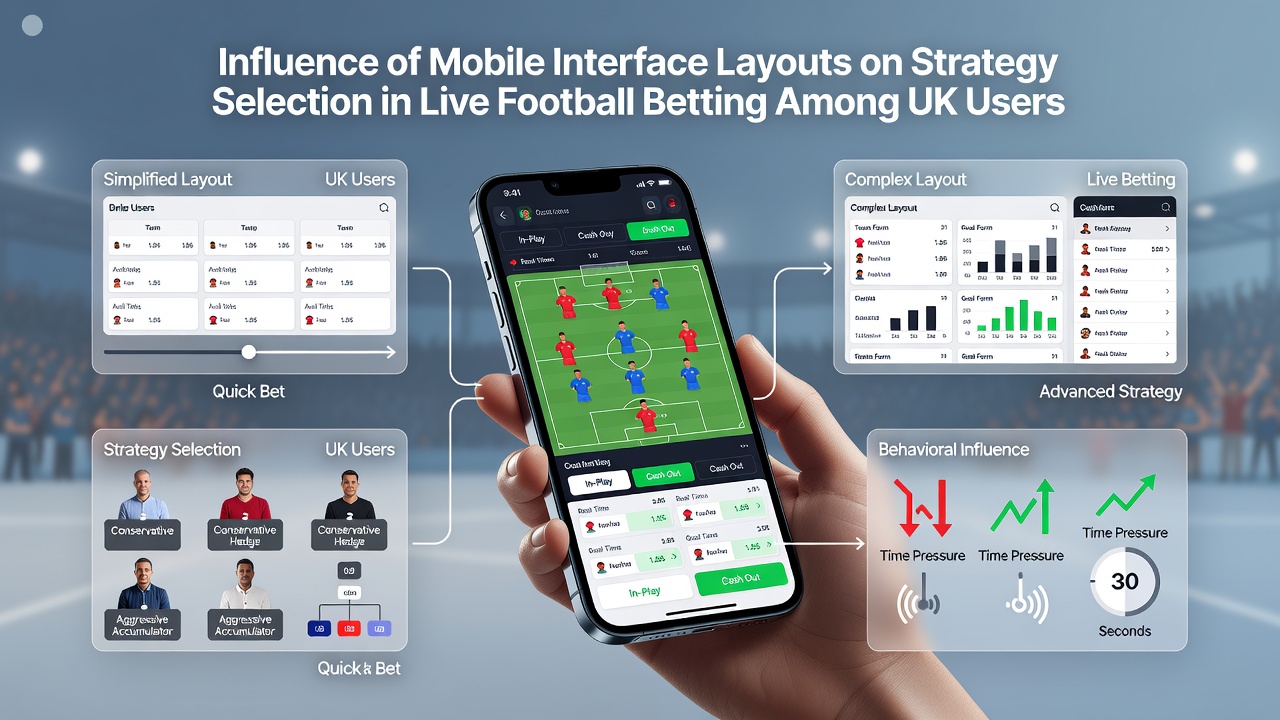
What's interesting is how color-coded outcome buttons influence selections, as evidence from Canadian regulatory analyses suggests red-dominant interfaces increase backing of underdog comebacks. Platform telemetry gathered in late 2026 showed that UK users exposed to real-time score overlays combined with bet prompts adjusted their accumulators 22 percent more often than those on static displays. Experts have observed that notification overlays for boosted odds further steer attention toward short-term strategies during breaks in play.
Regional Comparisons and Platform Adaptations
Comparisons with markets outside the UK highlight similar trends, and a report from the National Council on Problem Gambling in the United States linked simplified live interfaces to elevated volumes of rapid-fire selections across football codes. Developers respond by testing A/B variations that reposition filter tools for markets, which in turn alters how UK users balance defensive strategies like draw bets against aggressive goal-scoring wagers. Those who've analyzed session recordings note that adaptive layouts responding to device orientation maintain consistency in strategy distribution even when users switch between portrait and landscape modes.
Turns out the integration of haptic feedback on bet confirmations reinforces chosen approaches, with stronger vibrations tied to higher-stake live entries according to controlled trials. Observers point out that search bars positioned near live event headers facilitate quick navigation to niche markets, encouraging diversified strategies rather than defaulting to main win-draw-win options.
Conclusion
Overall patterns indicate that mobile interface layouts continue to shape strategy selection in live football betting for UK users through measurable design choices like element positioning and feedback mechanisms. Ongoing platform updates in 2026 and beyond will likely refine these influences as usage data accumulates from diverse operators and devices.